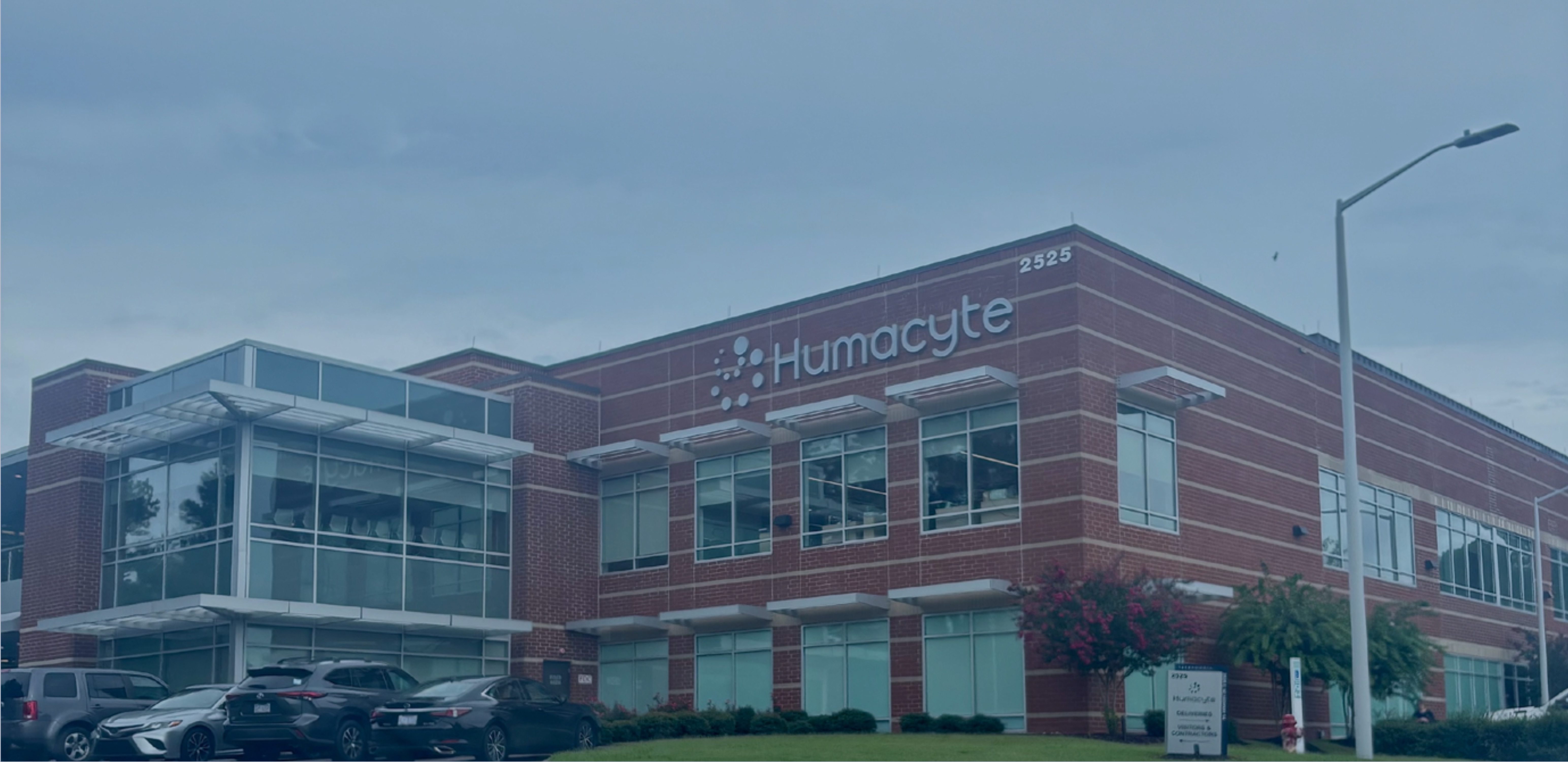
Contact Us

Contact Us

For all product complaints and adverse event reporting

call +1 833-591-0081

or

submit an Adverse Event Report Form here

For customer care

call +1 833-591-0081

For all media and corporate related inquiries

call +1 919-313-9633

If you have a medical emergency

dial 911

For all Symvess related
inquiries, please submit the
contact form below

Contact Us Today

Message

This form is not intended to report Adverse Events. To report an Adverse Event please call us at 1-833-591-0081 or submit an Adverse Event Report Form here. Additionally, this form is not intended for you to share personal details about patients with Humacyte and we cannot provide advice for a particular patient.
Thank you for contacting us!
We will get back to you as soon as possible.
INDICATION AND IMPORTANT SAFETY INFORMATION FOR SYMVESS

IMPORTANT SAFETY INFORMATION

BOXED WARNING: GRAFT FAILURE

  • Loss of SYMVESS integrity due to mid-graft rupture or anastomotic failure can result in life threatening hemorrhage.

CONTRAINDICATIONS

DO NOT use SYMVESS in patients who have a medical condition that would preclude long-term antiplatelet therapy (such as aspirin or clopidogrel) after resolution of acute injuries.

WARNINGS & PRECAUTIONS

  • Graft Rupture: Vascular graft rupture has occurred in patients treated with SYMVESS. Advise patients that arterial bleeding can be life-threatening and to seek emergent medical evaluation for any signs or symptoms of graft rupture such as bleeding, pain and swelling in the extremity, or signs of extremity ischemia. Follow appropriate procedures for handling and administering SYMVESS.
  • Anastomotic Failure: Anastomotic failure has occurred in patients treated with SYMVESS. In clinical studies of SYMVESS, anastomotic failure occurred within the first 36 days post-implantation. Monitor patients for signs of anastomotic failure such as pain and swelling at the surgical site, decreasing hemoglobin or other signs and symptoms of bleeding. Advise patients to seek urgent medical evaluation if they have any signs or symptoms that may be indicative of anastomotic failure such as bleeding, swelling or worsening pain at the surgical site or changes in color of overlying skin. Follow appropriate procedures for handling and administering SYMVESS.
  • Thrombosis: Thrombosis has occurred in patients treated with SYMVESS. In clinical trials of SYMVESS, patients received antiplatelet therapy following implantation of SYMVESS to reduce the risk of thrombosis. The risk of thrombosis may increase in patients who discontinue antiplatelet therapy. Anti-platelet therapy is recommended following treatment with SYMVESS.
  • Transmission of Infectious Diseases: SYMVESS is manufactured using cells and reagents that may transmit infectious diseases or infectious agents. The cells used in the manufacture of SYMVESS are derived from a donor who met the donor eligibility requirements for transmissible infectious diseases. Animal-derived reagents are tested for animal viruses, bacteria, fungi, and mycoplasma before use, but this does not eliminate the risk of transmitting these or other transmissible infectious diseases and disease agents. No transmissible agent infections have been reported during clinical testing.

ADVERSE REACTIONS

The most common adverse reactions (≥3%) were thrombosis, fever, pain, anastomotic stenosis, rupture or anastomotic failure, and infection.

USE IN SPECIFIC POPULATIONS

Pediatric Use: The safety and effectiveness of SYMVESS in pediatric patients (0 to 17 years old) have not been established.

Geriatric Use: Two patients out of the 54 Extremity Group implanted with SYMVESS as a conduit in Study 1 were aged ≥65 years. The number of patients aged ≥65 years was not sufficient to determine whether they responded differently than younger patients to SYMVESS.

INDICATION

SYMVESS is an acellular tissue engineered vessel indicated for use in adults as a vascular conduit for extremity arterial injury when urgent revascularization is needed to avoid imminent limb loss, and autologous vein graft is not feasible.

INDICATION AND IMPORTANT SAFETY INFORMATION FOR SYMVESS

IMPORTANT SAFETY INFORMATION

BOXED WARNING: GRAFT FAILURE

  • Loss of SYMVESS integrity due to mid-graft rupture or anastomotic failure can result in life threatening hemorrhage.

CONTRAINDICATIONS

DO NOT use SYMVESS in patients who have a medical condition that would preclude long-term antiplatelet therapy (such as aspirin or clopidogrel) after resolution of acute injuries.

WARNINGS & PRECAUTIONS

  • Graft Rupture: Vascular graft rupture has occurred in patients treated with SYMVESS. Advise patients that arterial bleeding can be life-threatening and to seek emergent medical evaluation for any signs or symptoms of graft rupture such as bleeding, pain and swelling in the extremity, or signs of extremity ischemia. Follow appropriate procedures for handling and administering SYMVESS.
  • Anastomotic Failure: Anastomotic failure has occurred in patients treated with SYMVESS. In clinical studies of SYMVESS, anastomotic failure occurred within the first 36 days post-implantation. Monitor patients for signs of anastomotic failure such as pain and swelling at the surgical site, decreasing hemoglobin or other signs and symptoms of bleeding. Advise patients to seek urgent medical evaluation if they have any signs or symptoms that may be indicative of anastomotic failure such as bleeding, swelling or worsening pain at the surgical site or changes in color of overlying skin. Follow appropriate procedures for handling and administering SYMVESS.
  • Thrombosis: Thrombosis has occurred in patients treated with SYMVESS. In clinical trials of SYMVESS, patients received antiplatelet therapy following implantation of SYMVESS to reduce the risk of thrombosis. The risk of thrombosis may increase in patients who discontinue antiplatelet therapy. Anti-platelet therapy is recommended following treatment with SYMVESS.
  • Transmission of Infectious Diseases: SYMVESS is manufactured using cells and reagents that may transmit infectious diseases or infectious agents. The cells used in the manufacture of SYMVESS are derived from a donor who met the donor eligibility requirements for transmissible infectious diseases. Animal-derived reagents are tested for animal viruses, bacteria, fungi, and mycoplasma before use, but this does not eliminate the risk of transmitting these or other transmissible infectious diseases and disease agents. No transmissible agent infections have been reported during clinical testing.

ADVERSE REACTIONS

The most common adverse reactions (≥3%) were thrombosis, fever, pain, anastomotic stenosis, rupture or anastomotic failure, and infection.

USE IN SPECIFIC POPULATIONS

Pediatric Use: The safety and effectiveness of SYMVESS in pediatric patients (0 to 17 years old) have not been established.

Geriatric Use: Two patients out of the 54 Extremity Group implanted with SYMVESS as a conduit in Study 1 were aged ≥65 years. The number of patients aged ≥65 years was not sufficient to determine whether they responded differently than younger patients to SYMVESS.

INDICATION

SYMVESS is an acellular tissue engineered vessel indicated for use in adults as a vascular conduit for extremity arterial injury when urgent revascularization is needed to avoid imminent limb loss, and autologous vein graft is not feasible.